

It’s nearly 4 years since I completed my Mountain Leader Training (MLT) at Plas Y Brenin, the National Outdoor Centre in Wales. At the time I was completing my masters degree (Wellbeing in Public Policy and International Development) at the University of Bath. When I began this, my intention was always to pursue a PhD as I had vast academic interests to explore. Yet as I immersed myself in further learning, not only had I addressed these interests exceedingly well but I grew tired of studying. I wanted to get out into the wider world and do things, get hands-on and make things happen.

Having honed my interests in education and healthcare with my research and study, I began leaning towards venturing into the field of the former (hence why my dissertation explored EiE: Education in Emergencies). I had forever been fascinated with the outdoors and stumbled upon funding to complete my MLT, so I jumped at the opportunity without hesitation. The idea of embarking upon adventures in outdoor education was enthralling, and my desire to introduce people (particularly children and young people) to new places burnt brightly within.
What did your MLT involve?
Ironically, many of the group of 12 people who completed the MLT together were teachers. For most activities throughout the course we were split into 2 groups of 6, and followed a pre-scheduled programme of activities across 6 days. These included the following (I have organised these according to the sections of the Mountain Training guidebook on Hill Walking):
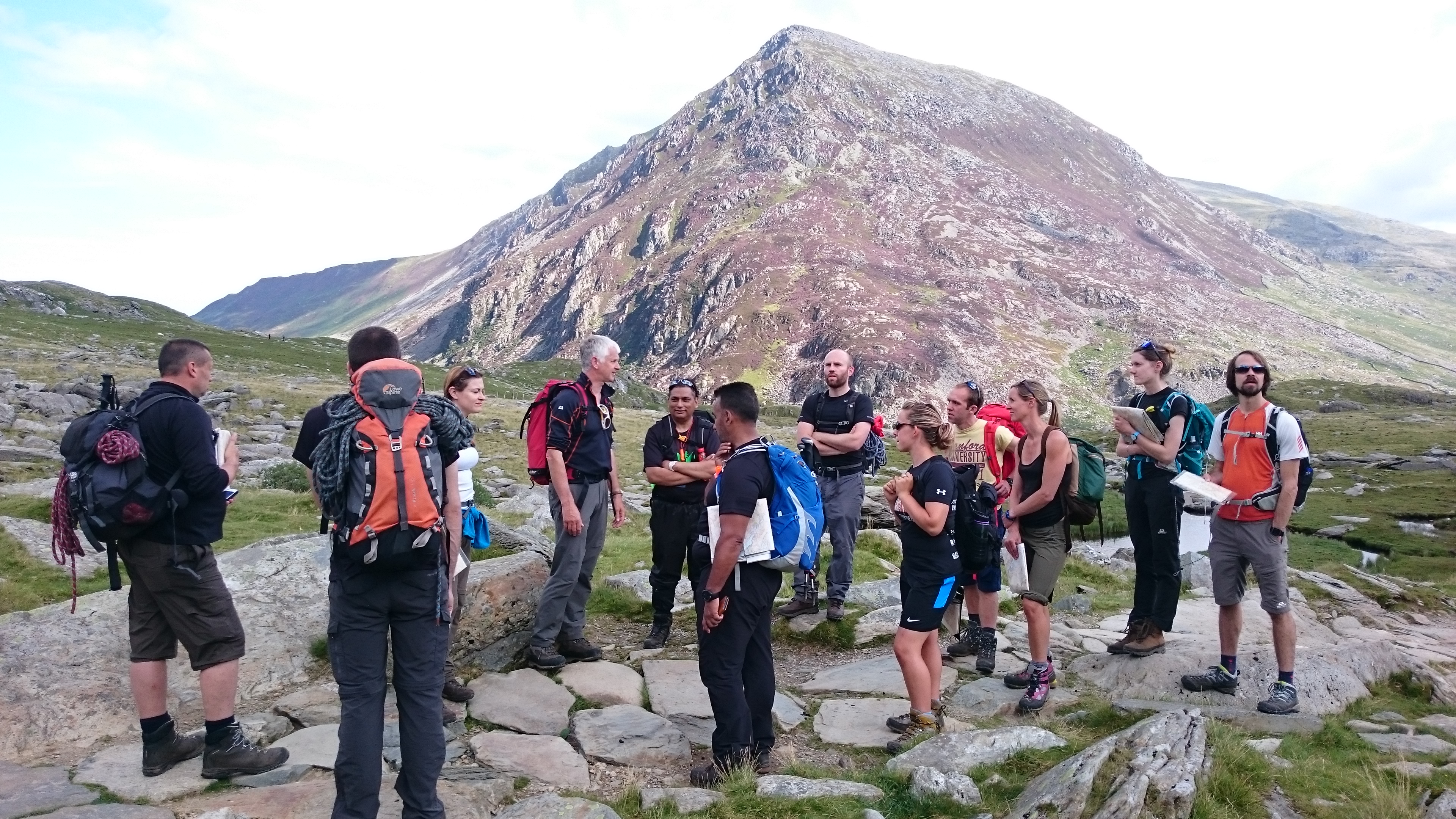
1 | Getting around in the hills
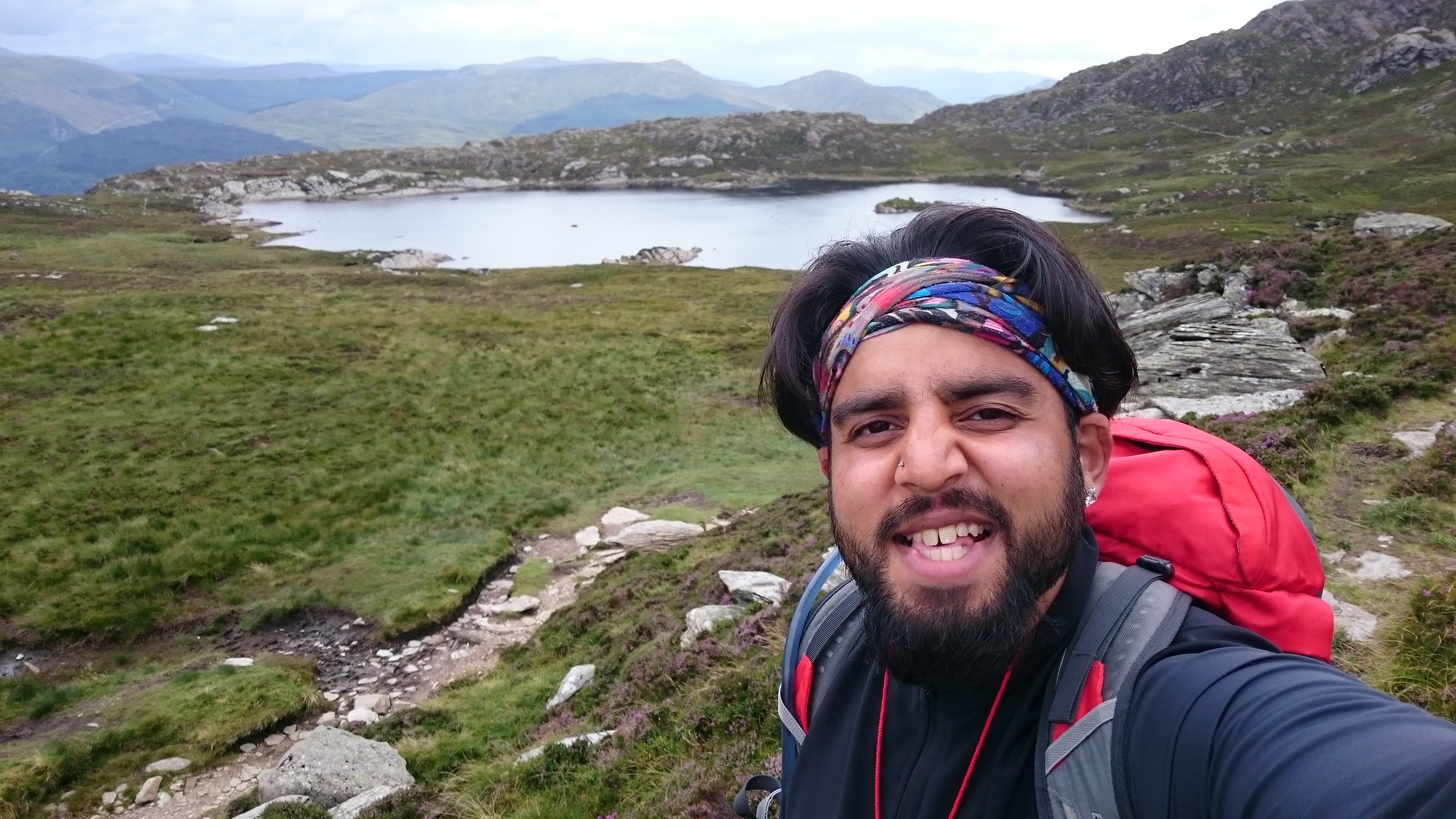
Of course there was plenty of walking, but this was interspersed with discussion and practice of navigation skills, including pacing, map reading, route planning, compass bearings, and my favourite: night navigation. Surprisingly, when we undertook our night navigation activity by the Glyderau our ML actually got lost and I managed to locate and re-direct us back to camp, which gave me great confidence in my own navigation skills.
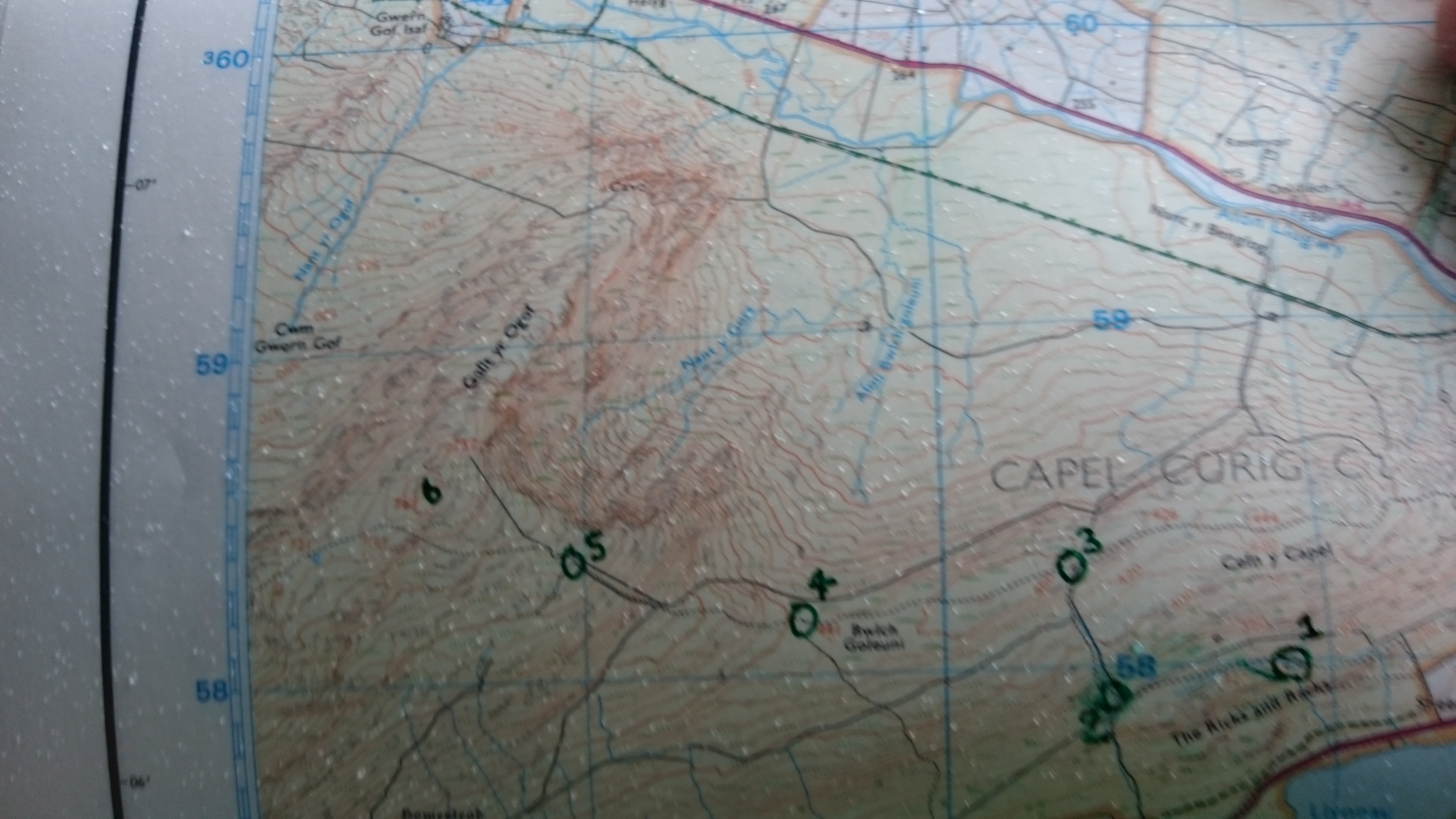
Additionally, we had extensive discussions around equipment including medical kits, phones, camping gear, storage, clothing and navigation tools. Although I loathe shopping, I can happily listen to advisers at outdoor shops all day and get geeky about kit, so it was great being able to do this with people with varying experiences. Yet as a side-note, I’ve learned that getting the right kit for yourself is a lifelong journey, so heed advice but ultimately you will have to taste it for yourself to gain a true verdict.
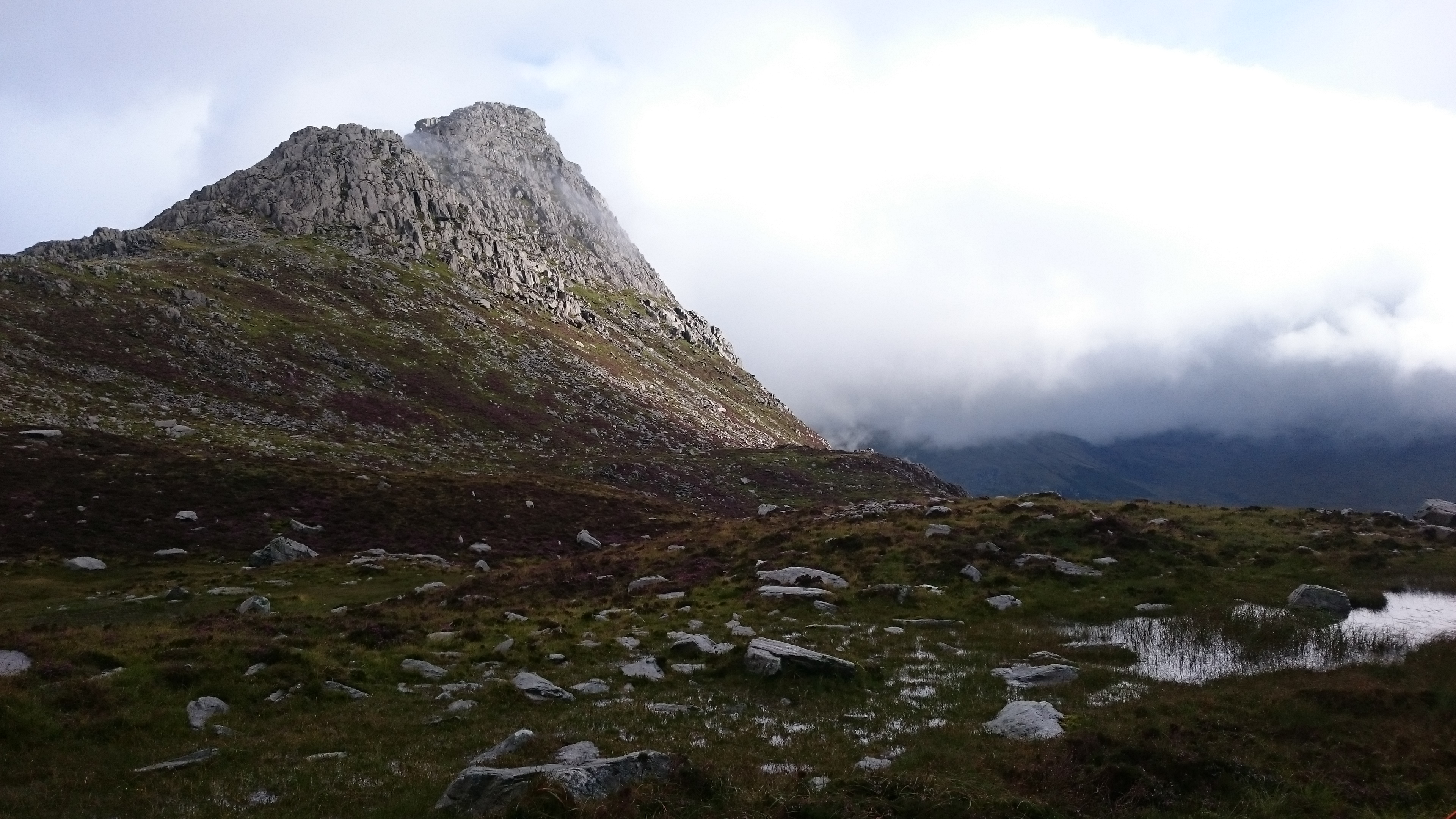
2 | The upland environment (situational awareness)
Getting familiar with extreme environments and discussing their elements enabled us to develop our situational awareness, which is a key attribute to possess as an ML (Mountain Leader). We had focused sessions and frequent conversations whilst hiking about the weather, different climates and ecosystems, and adaptations we can make before and during expeditions. For instance, I had no idea that the ecology of Snowdon had evolved due to the number of people scattering ashes by its summit.
Furthermore, we learnt a lot about stewardship of the natural environment and the role everyone can fulfil in conserving and protecting these spaces. A key aspect of stewardship is being aware of what spaces you can and cannot access across the UK, and what activities are permitted in these places. More importantly, we learnt about the various sources of such guidance, which is important for any future trips you wish to plan anywhere in the world.
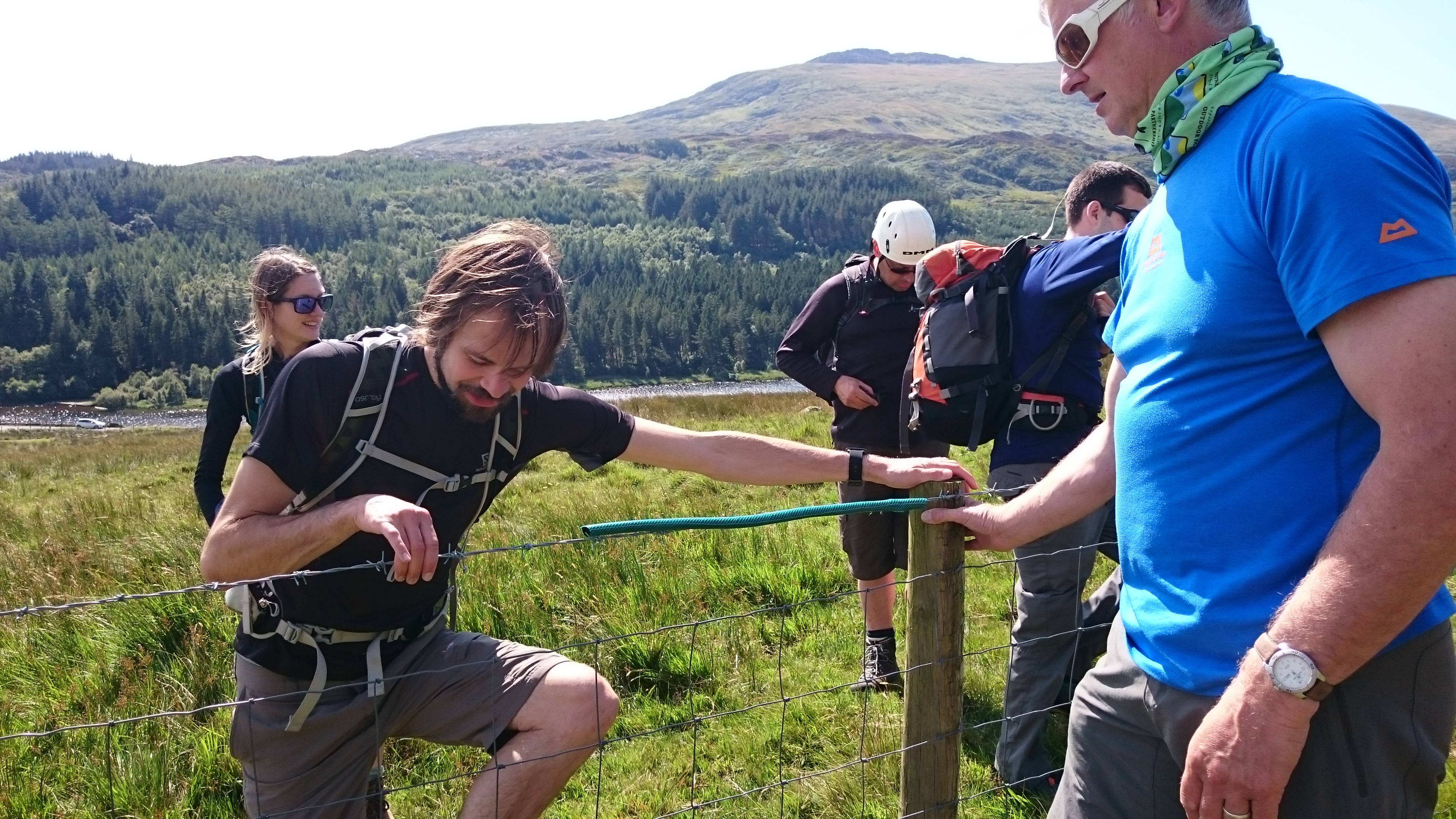
3 | Party management
The key to being an effective leader is having the ability to manage a group of people throughout an expedition. Components of this management include participant welfare, experience and technical abilities, teamwork and communication, and general health and safety. The proverb ‘a chain is only as strong as it’s weakest link’ is particularly relevant here, as failure of an ML to manage their team effectively or of a participant to interact with their team accordingly can comprise everyone in the group, particularly in high risk situations.
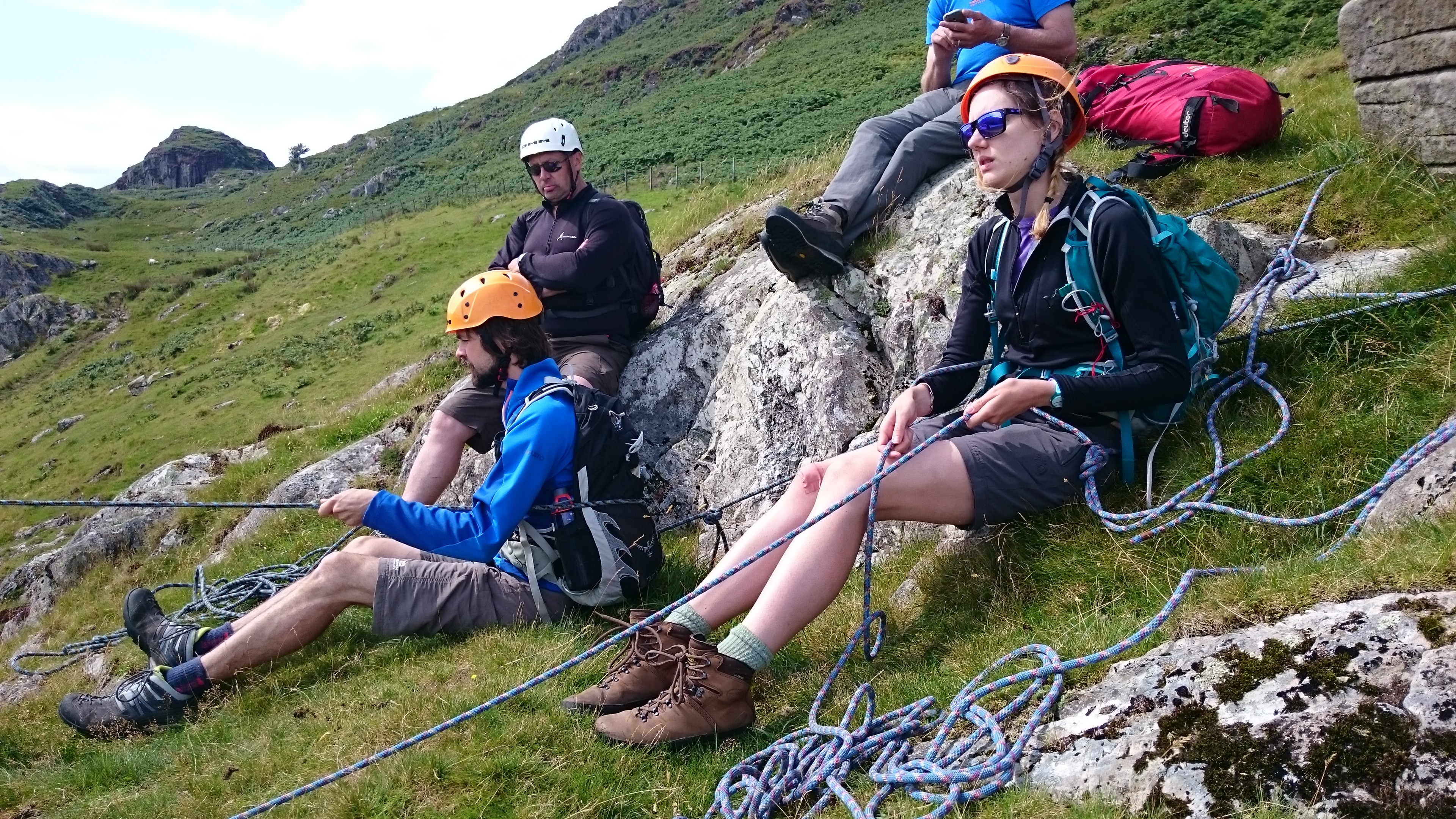
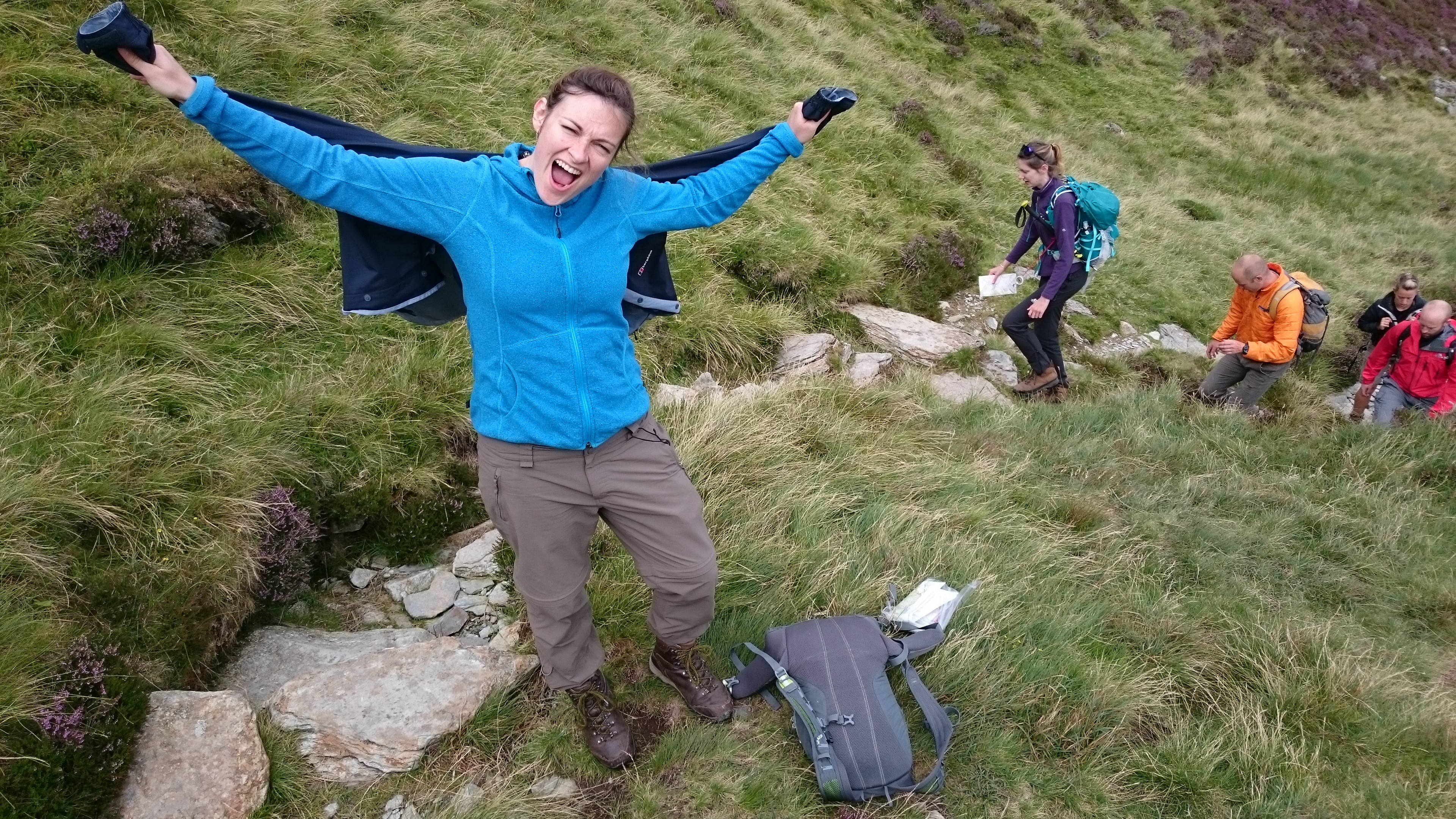
During our MLT, we alternated between group members whilst hiking to gain experience of leading our group (under supervision). Additionally, we had extensive discussions around participant welfare, and engaged in an array of activities to develop our incident, hazard and risk management capabilities. These included rope-work, river crossings and simulations where participants were injured and required help. Although much of this was rudimentary, and ideally required more time and practice, having the exposure during our MLT was vital and gave us a foundation to build upon. But this is the MLT in a nutshell: to truly absorb all your training one must get out, practice, and play! Plus, the learning never stops.
Are you glad you completed your MLT?
Without question I am glad, as the knowledge, skills and experience I gained has remained with me since then, and I have continued to consolidate all this with each excursion I undertake. As discussed, I was able to develop my capabilities surrounding route planning, backpacking, technical equipment, health and safety, and more, which has essentially empowered me to do more trips since completing my MLT.
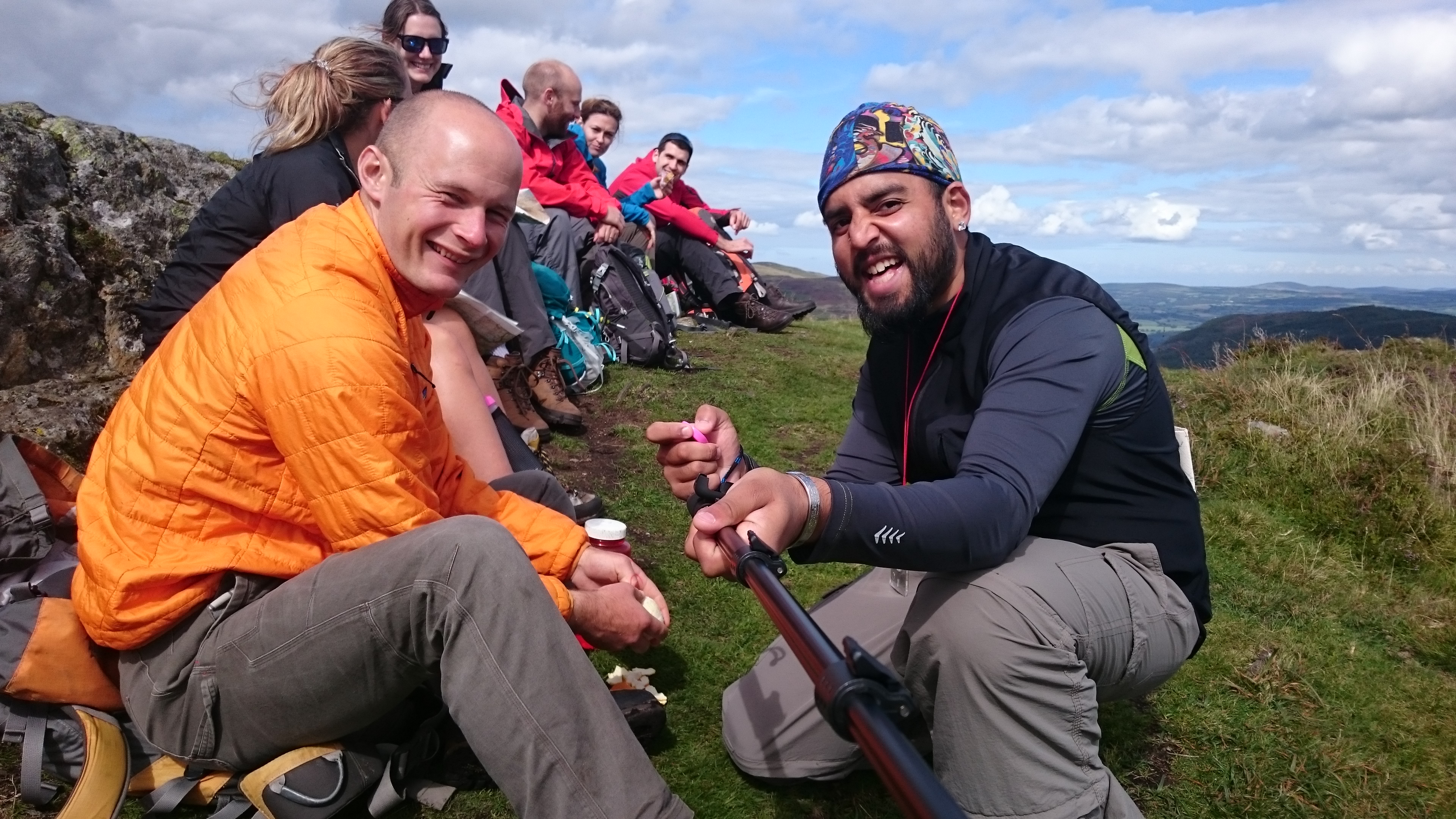
Conversely, I didn’t take my MLT seriously when engaged with it as I was so grateful to have the chance to be outdoors at that point in my life I just had fun and went wild throughout! I had great joy letting my inner child loose on trails, and I imagine I may have annoyed others at times taking frequent photos with my ‘monopod’ (yes, it was a fancy selfie stick) and singing when rising up early from our wild camp. But I have no regrets as respect remained reciprocal and my full-blooded approach not only enabled me to revel in my experience and spread positive energy, but also ensured I absorbed every jot of learning presented to me.
What advice do you have for people keen to explore the mountains?
First is the mountains ain’t no joke! They live in harsh, extreme environments where changes are sudden and intense, and therefore safety is of paramount importance. I have deliberately said ‘live’ because they need to be respected. In appearance they are breath-taking indeed yet they can be devastatingly deceptive for those who are not prepared for people becoming unwell or injured, inclement weather or getting lost (DO NOT BE THAT PERSON). So plan, equip, and organise yourself well for the worst such dynamic spaces can yield.

Secondly, in relation to doing your MLT, if you are serious about exploring extreme environments such as mountains and enthusiastic about enabling others to savour the serenity they sow, do it! There are plenty of providers across the UK offering a variety of packages, and if you’re on your own like I was, don’t worry, as this means you have the chance to encounter new people with similar interests! Also, embrace the opportunity with all your enthusiasm and energy like I did, as you will gain much more from the experience.
Finally, there is no harm in starting out in small, less extreme environments before venturing into mountains, and in accompanying those with experience if it is your first time. Prior to doing your MLT you have to accrue 20 QMDs (Quality Mountain Days) yet regardless of the MLT, it’s wise to take this approach just to become familiar with the outdoors (as I and many others have previously). I don’t traverse hills for their name, height or prestige, nor for awards, I just love engrossing myself with the wonders of the outdoors, so appreciate any opportunity to the brim and respect the space you find yourself in.
To see my Flickr album of photos from my MLT follow this link: https://flic.kr/s/aHsmDBY5Yo.
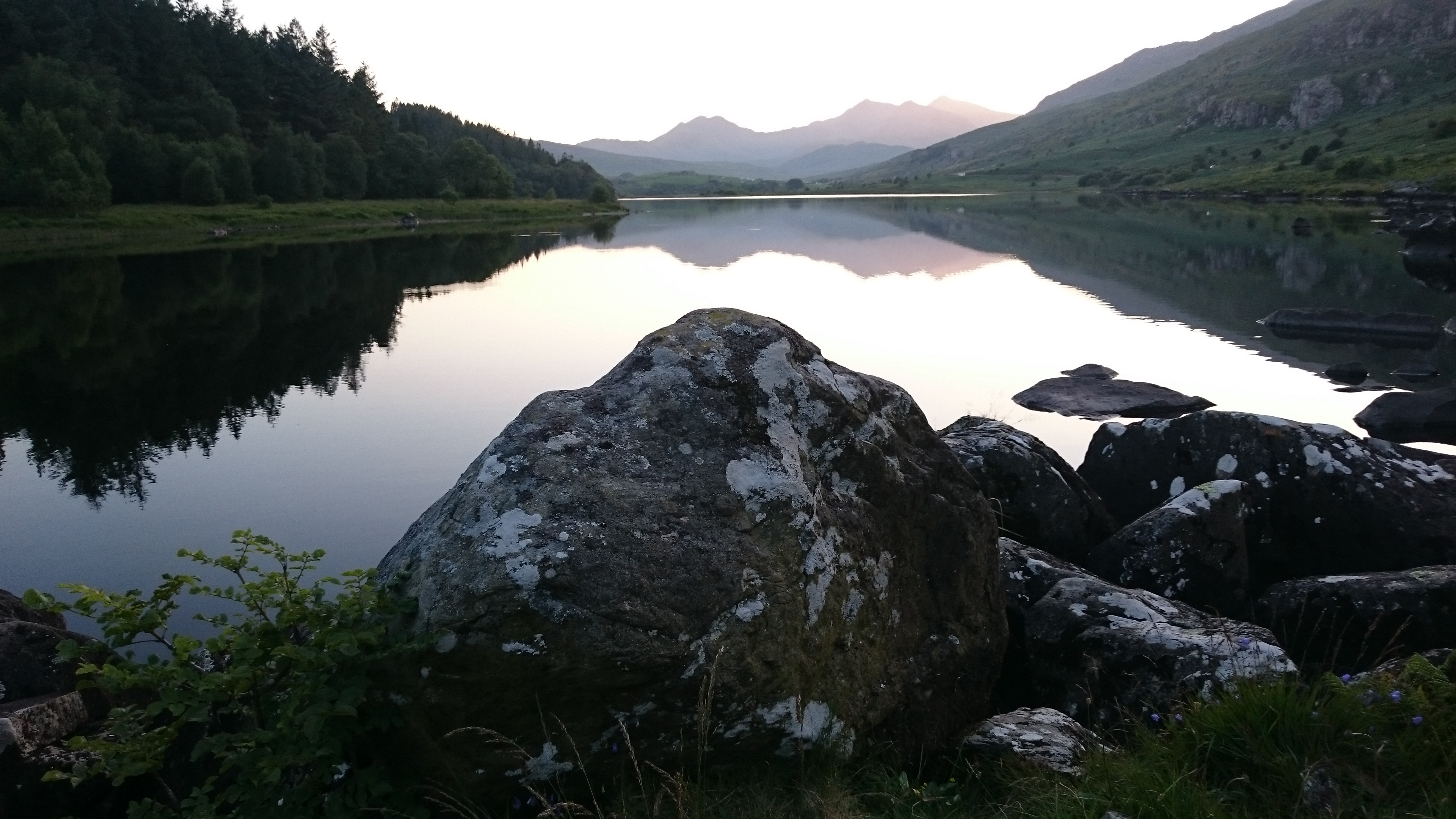
To learn more about the Mountain Leader scheme in the UK follow this link: http://bit.ly/2wjQFtk.
 drBACKPACK
One thought on “Mountain Leader Training”