
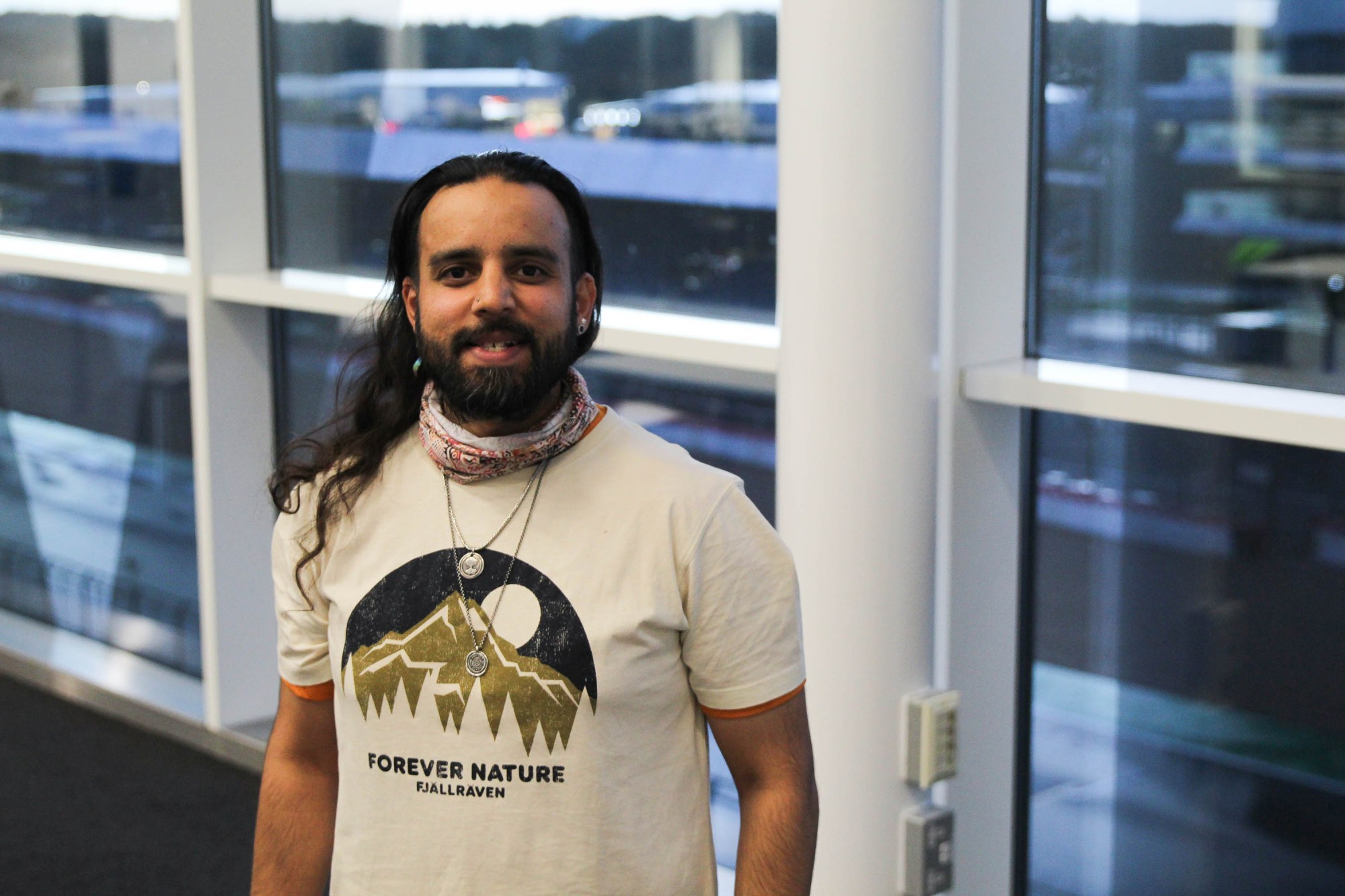
OVERVIEW
I signed up for this symposium as I was curious. Conversations around the mental health and ‘wellbeing’ of staff have grown in recent years, but what do these involve? What do these concepts mean amongst the emergency services? What issues and challenges have been identified? What is being done to address them? Moreover, what is available for staff in relation to their mental health and wellbeing?
This 2-day event (23rd – 24th November 2022) was a follow up to the inaugural Emergency Services Mental Health Symposium in 2021 where several organisations adopted pledges to the Mental Health at Work Commitment (visit https://www.mentalhealthatwork.org.uk/ for more information). Since the 2022 Symposium featured countless speakers and nearly 145 organisations were in attendance, I thought it was a great opportunity to find answers to my questions.
My personal highlights of the Symposium have to be the first and final sessions. Beginning the event with the Lived Experience Panel helped to frame its significance and relevance. The emotive, powerful and inspiring stories of each panel member emphasised why it was so important for people to come together and explore how to address growing issues and challenges staff experience with mental health. The final panel, Building with Diversity, underlined how crucial identity is to the mental health of staff in the workplace, going beyond protected characteristics like race and gender to also discuss neurodiversity.
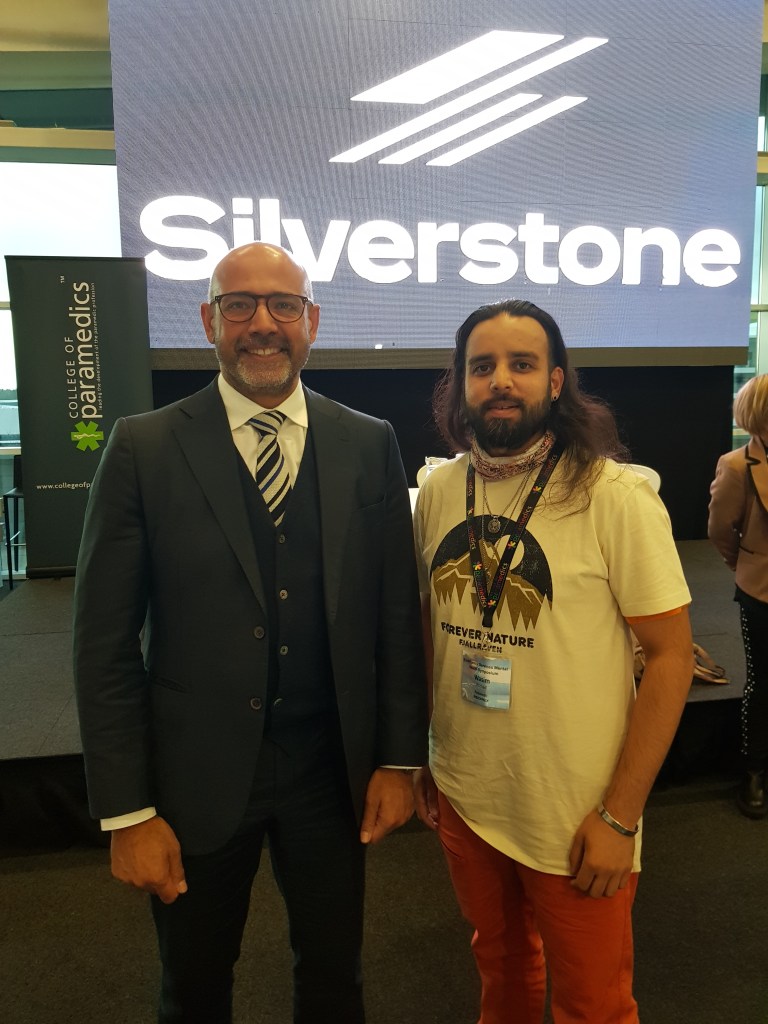
The choice and range of sessions throughout the Symposium was almost overwhelming. It was intriguing to learn about the array of projects and activities other emergency services were undertaking surrounding mental health and wellbeing. Attending thus provided a great opportunity to share learning and good practice with many people who were passionate to make a difference. What was particularly new and refreshing to me was the growing work being done to support voluntary staff, and to engage family and friends in relation to supporting staff mental health and wellbeing.
As Silverstone Race Circuit was the venue for the Symposium, we were lucky to have the opportunity to tour both the podium and racetrack, which was fun. It provided a nice escape from the Symposium, and another way to interact with other attendees. I was never going to turn down the opportunity of a picture on the podium!

REFLECTIONS
Although it is great we are having such open and collaborative events dedicated to the mental health and wellbeing of staff, I still feel there is huge scope for improvement, starting with the scope of the conversations being held.
Much of the language around ‘wellbeing’ and improving mental health heavily emphasises the individual. Informal models of peer support, self-help activities, self-care initiatives, to name a few examples, often dominate what wellbeing has come to mean to many.
Yet as Martin Hewitt (NPCC) remarked in his closing address, the huge dependence on individuals is not only unreliable, but also unfair. Is it fair to expect staff to undertake so much away from work to ensure they are able to perform well at work? Can we rely on staff to look out for each other in settings where harassment, bullying, burnout and discrimination take place? To identify signs in other people experiencing issues with their mental health and wellbeing when they are struggling with their own?
Many staff members feel disillusioned with such notions and common practices of ‘wellbeing’ for these reasons and more. Emphasis on individual cognitive and behaviour modification seems to translate as ‘the problem isn’t with the environment and system you’re working in, but with you, and you need to be better at dealing with it’.
To those who hold this view, ‘wellbeing’ initiatives and activities are about encouraging and enabling staff to accept and deal with the adverse impact their work has on their mental health, rather than to address the root causes to mitigate and prevent this impact instead.
What are these root causes?
As well illustrated by the Lived Experience Panel, it’s not being valued, appreciated, supported in the workplace.
It’s managing a widening scope of practice and immensely growing workload throughout the last decade with insufficient training, support and resources.
It’s negating bullying, harassment and discrimination due to one’s identity and position in the workplace.
It’s adopting unhealthy and unsociable work routines in toxic work settings.
It’s struggling to live well with a depreciating salary, as has been underlined by staff engaging with ongoing NHS strikes. And the list goes on.
Although individuals need to be part of the conversation, they aren’t in control of these root causes, of how all these factors manifest and more. These are shaped at a policy level, the institutional culture in the work environment, and the systems we adopt to manage staff.
The need to prioritise areas of focus surrounding Mental Health in the Emergency Services to enable progress and change to happen makes sense. But first we need to have a comprehensive understanding of how issues and challenges with the mental health of staff are manifesting to ensure any strategies adopted are effective and sustainable.
Otherwise, the current approach of dealing with the aftermath and consequences of problems with policy, culture, environment and systems rather than preventing or mitigating their occurrence will mean issues will only grow in frequency and intensity, particularly in the current conditions of political and economic instability. Without meaningful change, staff will continue to pay the price for system-level flaws through preventable, unjust and sometimes irreparable damage to our mental health and wellbeing.

 drBACKPACK